Which skis are right for me? – Comprehensive ski buying advice
Why is choosing the right skis so important?
Your skis are your most important companions on the mountain. Even the best technique is only half as effective if your skis don't suit you. Conversely, well-matched skis can improve your technique, give you confidence and greatly increase the fun factor of skiing.
Skilling, area of use and technique – the key factors
Before you take a closer look at specific models, it is important to honestly assess how well you ski and where you prefer to ski. Beginners need safety and stability above all else. Skis that turn easily and are forgiving of mistakes are worth their weight in gold here. Advanced skiers appreciate more responsiveness, sportiness and smoothness. Professionals place great value on precision and stability, even at high speeds.
The area of use plays a similarly important role. Those who ski almost exclusively on the slopes need different features than those who switch between deep snow, mogul slopes and groomed trails. The choice of terrain is crucial for the final selection.
Avoiding common mistakes when buying skis
Many people make the mistake of focusing on professional models. They look spectacular, but are often very hard, demanding and anything but beginner-friendly. Another mistake is choosing skis that are too long because you think they look sportier. In fact, oversized skis make skiing much more difficult. And then there's the classic mistake: overvaluing the design. Sure, nice-looking skis are great, but if they only annoy you on the slopes, even the most beautiful print is useless.
An overview of ski types and categories
To avoid getting lost in the ski jungle, it's worth taking a look at the most important categories. They differ not only in appearance, but also in construction, riding feel and area of use.
Why should you pay attention to the right type of ski?
Each type of ski has its own purpose. Piste skis are designed to ride precisely and stably on hard slopes. All-mountain skis are the ideal all-rounders for skiers who like to remain flexible. Freeride skis need width and stability to carry you safely through deep powder snow. If you choose the wrong category, skiing can quickly become exhausting. If you choose the right one, on the other hand, it feels almost natural.
The most common types of skis and their characteristics
Piste skis
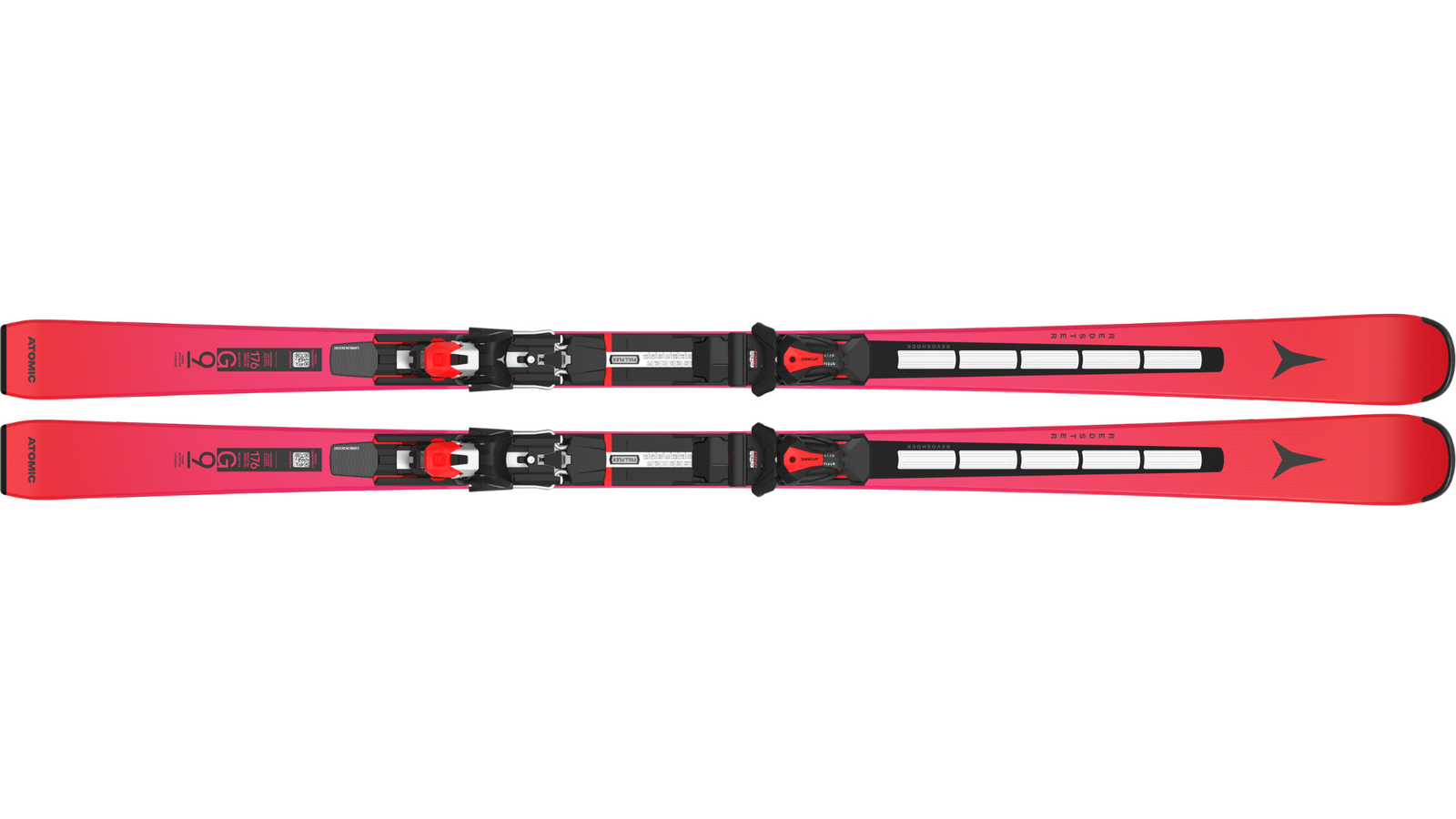
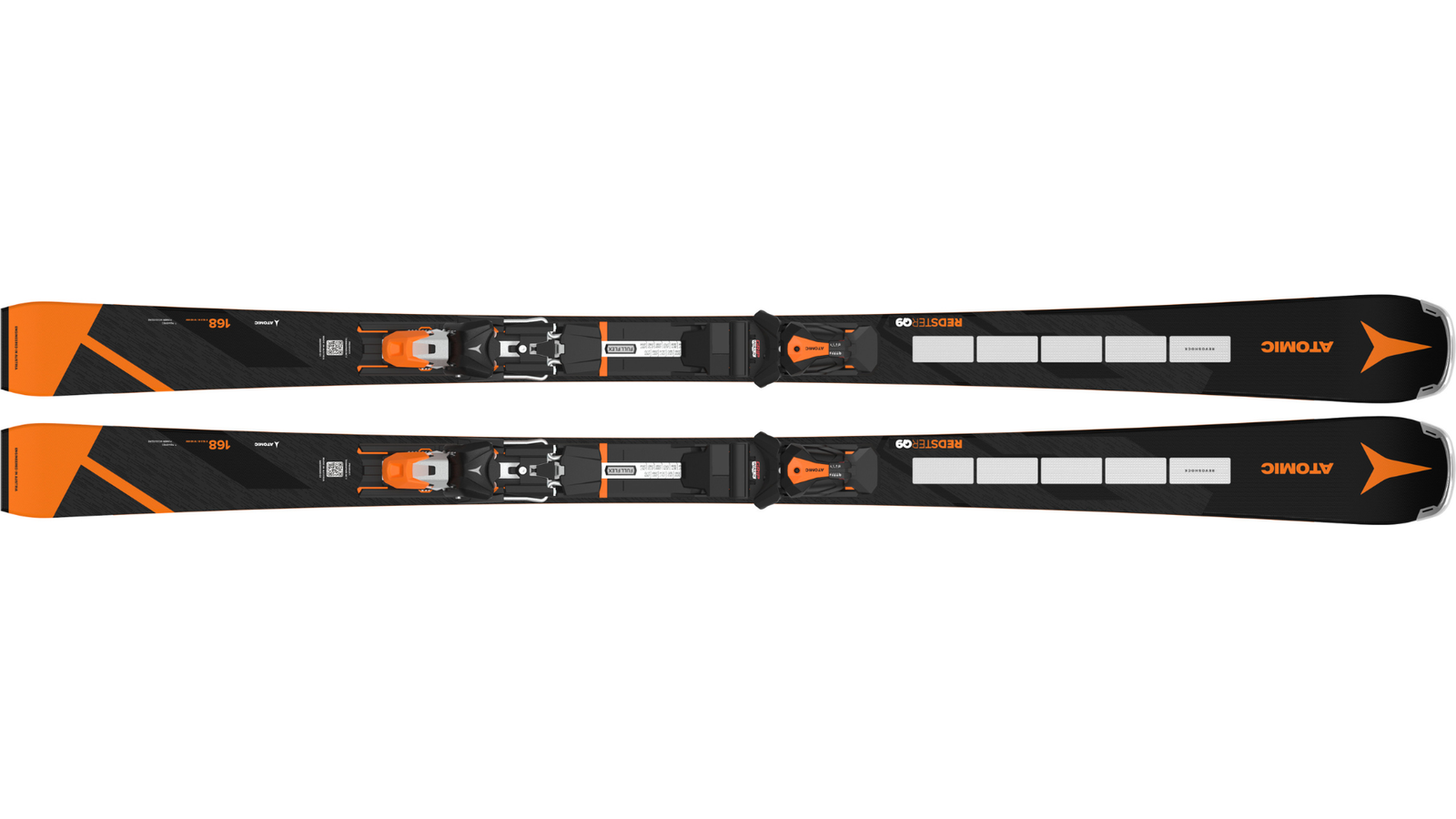
Narrow, precise and ideal for everyday use on the slopes. Piste skis offer high edge grip, clean carving and plenty of control. Beginners and advanced piste enthusiasts are in good hands here. This type of ski is also ideal for children.
All-mountain skis
The versatile solution for anyone who likes to use the entire ski area. They are slightly wider than piste skis and therefore offer more stability in softer snow or off-piste. At the same time, they remain easy to manoeuvre.
Race carvers
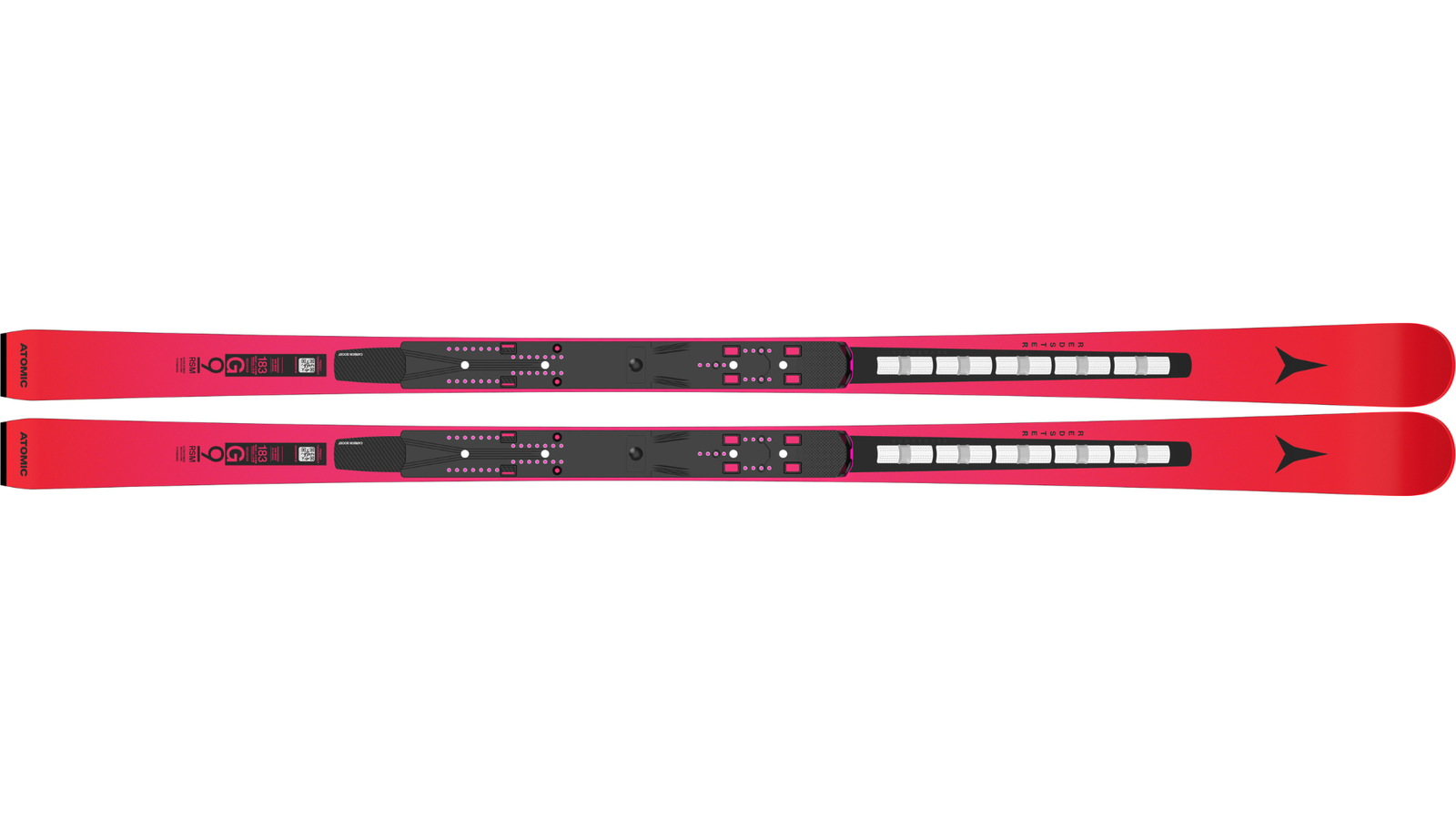
This is where things get sporty. Race carvers are harder, longer and optimised for high speeds. They require solid technique and are perfect for anyone who loves a sporty, powerful skiing experience. If you choose this type of ski for slalom skiing, you should make sure you choose the right length to be able to perform the short radii (short turns) well.
Touring skis
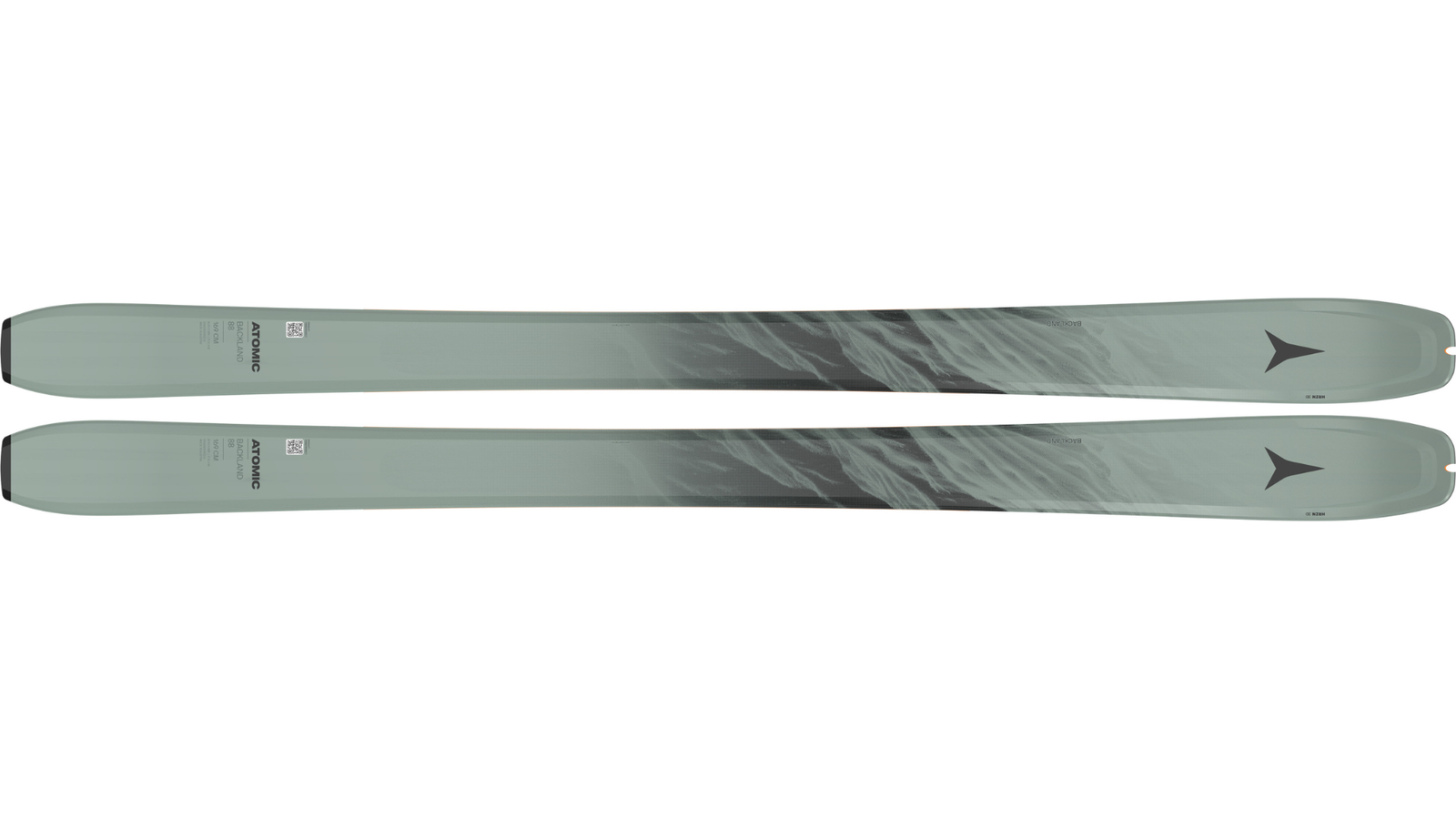
Lightweight, practical and efficient. Touring skis are optimised for ascents and allow you to explore off-piste terrain or designated piste tour routes. They are versatile on descents, but do not quite match the stability of classic piste or freeride skis.
Freeride skis
The powder pro. Wide, buoyant and ideal for deep snow. They offer enormous buoyancy and stability in the backcountry, but are somewhat slower on the piste.
Freestyle skis
For parks, kickers, rails and creative skiers. Twin-tip shape, high manoeuvrability and robust construction define this category. If you like doing tricks, this is the place to be. This type of ski is particularly popular with children and teenagers.


Which type of ski is right for me?
If you mainly ski on the slopes, a piste ski is the right choice. If you don't want to commit yourself and like to veer off the piste spontaneously, an all-mountain ski is the right choice. If you love speed and are always on the edge, go for a race carver. Powder fans need freeride models. And park riders can't do without freestyle skis.
Ultimately, the right type of ski for you depends on your style, your level and where you spend most of your time.
Ski buying guide – which skis should you buy?
Now it's getting technical, but don't worry, I'll explain everything in a way that's easy to understand so that you'll know exactly what's important in the end.
The most important criteria when buying skis: length, mid-waist width, radius, flex
Length
The length of a ski has a major influence on control, stability and riding feel.
- Beginners: body height minus 10 to 20 cm
- Advanced skiers: body height minus 10 cm to body height
- Professionals: body height to plus 10 cm
Longer skis are stable, shorter skis are more manoeuvrable. The more athletic your skiing style, the longer your skis can be. Here's an example: slalom skis need to allow for short turns, which requires a slightly shorter ski length. We provide more detailed information on ski length in the article ‘Which ski length?’.
Mid-waist width
The mid-waist width of a ski describes the width under the binding and has a major influence on skiing style and area of use. Narrower skis are particularly precise, respond quickly to edge engagement and are ideal for skiing on groomed slopes. Wider skis, on the other hand, offer more buoyancy and stability in softer snow and off-piste. The wider a ski is, the better it floats in deep snow, while narrower models impress with their manoeuvrability and direct edge grip. The right waist width therefore depends heavily on where and how you prefer to ski.
Radius
A small radius allows for short, agile turns. A large radius is suitable for long, athletic turns. The right radius depends on your riding style.
Flex
The flex describes how stiff a ski is.
- Soft flex: forgiving and ideal for beginners
- Medium flex: versatile and sporty
- Hard flex: precise, stable, but technically demanding
The better your technique, the harder your skis can be.
Which skis to buy? Recommendations according to rider level and area of use
For beginners and children
- Piste skis
- Soft flex
- Shorter length
- Narrow waist width
This combination ensures safety, control and a comfortable skiing experience.
For advanced skiers
- Piste skis or all-mountain skis
- Medium flex
- Medium waist width between 80 and 95 mm for all-mountain skis and around 75 to 80 mm for piste skis.
Ideal for skiers who are sporty and want to improve their skills.
For professionals
- Race carvers, freeride or high-performance all-mountain skis
- Hard flex
- Longer models
For demanding skiers who want maximum performance.
Budget and brand selection: What to consider when purchasing skis?
An expensive ski is not automatically better for you. It is often simply more specialised. The good news is that mid-range models also offer excellent quality. Your skill level and needs are more important than the price. Atomic, for example, offers a wide range of different ski types. The key is to find a model that suits your skiing style. For children, it is advisable to hire skis. This means that when they are a little older, you can easily switch between ski types and don't have to worry about servicing or buying new skis every other year..
Practical tips on selection, advice and care
Specialist shop vs. online purchase – what to look out for when seeking advice
You will find a wide selection and good prices online, but a specialist shop offers you an unbeatable advantage: personal advice. Direct contact with an expert is particularly worthwhile for beginners or uncertain buyers.
How long should my skis be? Size and length tips
In addition to the rule of thumb for length, there are individual factors such as weight and area of use. Lighter people tend to choose shorter skis, heavier people longer ones. If you are skiing in deep snow, you should allow for a little more length. Here you can find out more about the factors to consider when choosing the right ski length.
Care and storage – so you can enjoy your skis for years to come
Good care not only extends the life of your skis, but also ensures that they always perform well.
- Regular waxing
- Have the edges sharpened
- Dry your skis completely
- Store them in a dry place during the summer
- Apply a light wax coating to the edges when storing
With a little effort, your skis will stay in top condition for a long time. If you don't want to do all the maintenance yourself, it's best to take your skis to a specialist shop for servicing.
Frequently asked questions about choosing the right skis
Which skis are best for beginners?
Soft, stable and slightly shorter piste skis are best suited for those taking their first steps on the slopes. They offer plenty of control and a comfortable skiing experience.
Which skis are best for advanced skiers?
Sporty carving skis or high-quality all-mountain models offer advanced skiers a wide range of uses and a dynamic skiing experience.
Do I need all-mountain skis or piste skis?
If you want to remain flexible and occasionally venture off-piste, all-mountain skis are ideal. If you ski almost exclusively on the piste, choose piste skis for maximum precision.
What are the differences between carving skis and freeride skis?
Carving skis are narrow, precise and optimised for the piste. Freeride skis, on the other hand, are wide, offer plenty of lift and are made for deep snow.
How do I find the right ski size for my height?
Stick to the length formulas, taking into account your weight, technique and terrain. The combination of these factors will give you the ideal length.
Conclusion: The right skis make every day on the slopes better
Whether you're gliding leisurely down the slopes, racing downhill or carving your own tracks in deep snow, the right skis make all the difference. If you know what you need, how you ski and where you'll be skiing, you're sure to find the right model. The right skis not only get you safely down the slope, they also make every day on the slopes a real highlight.